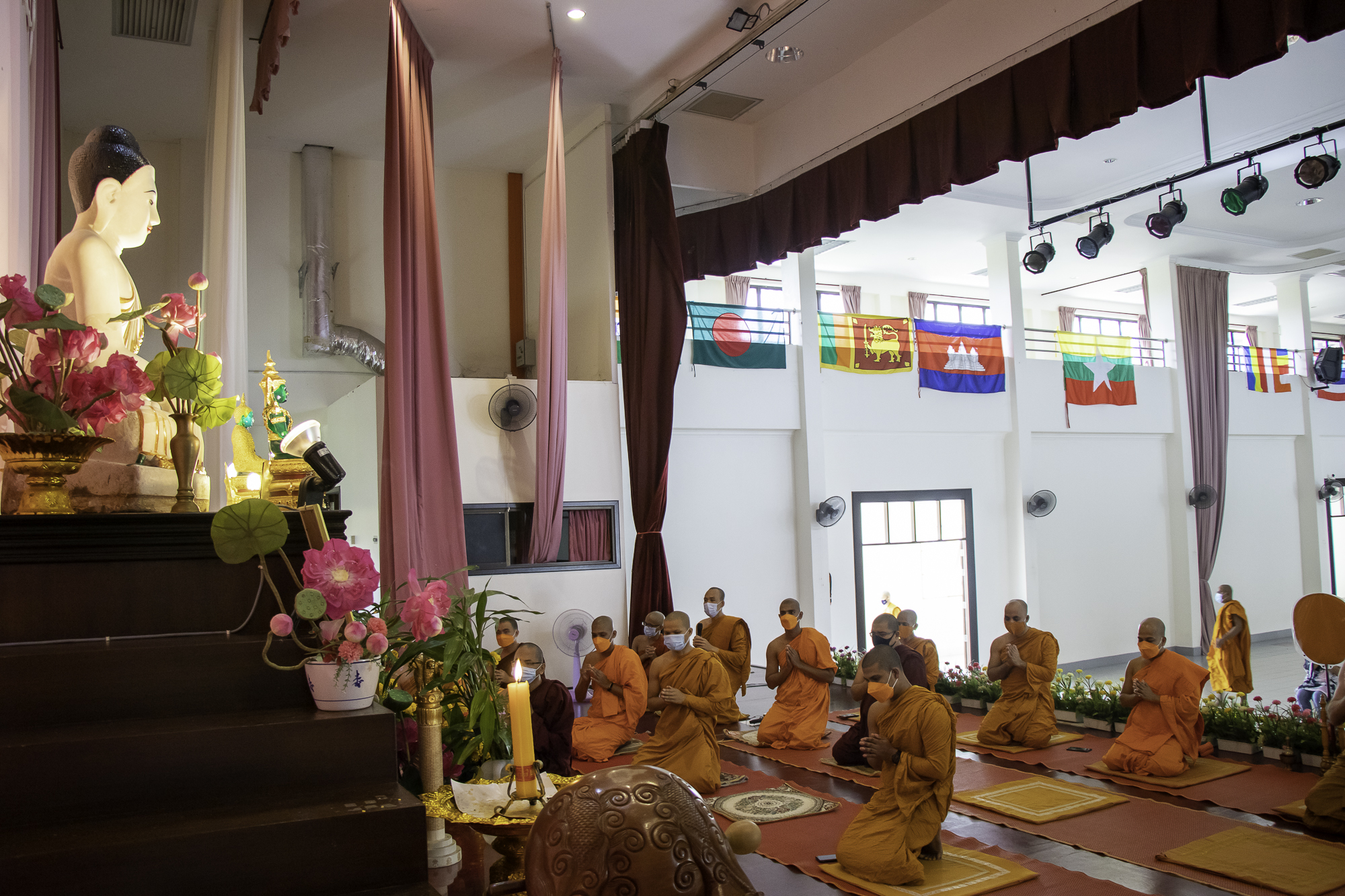
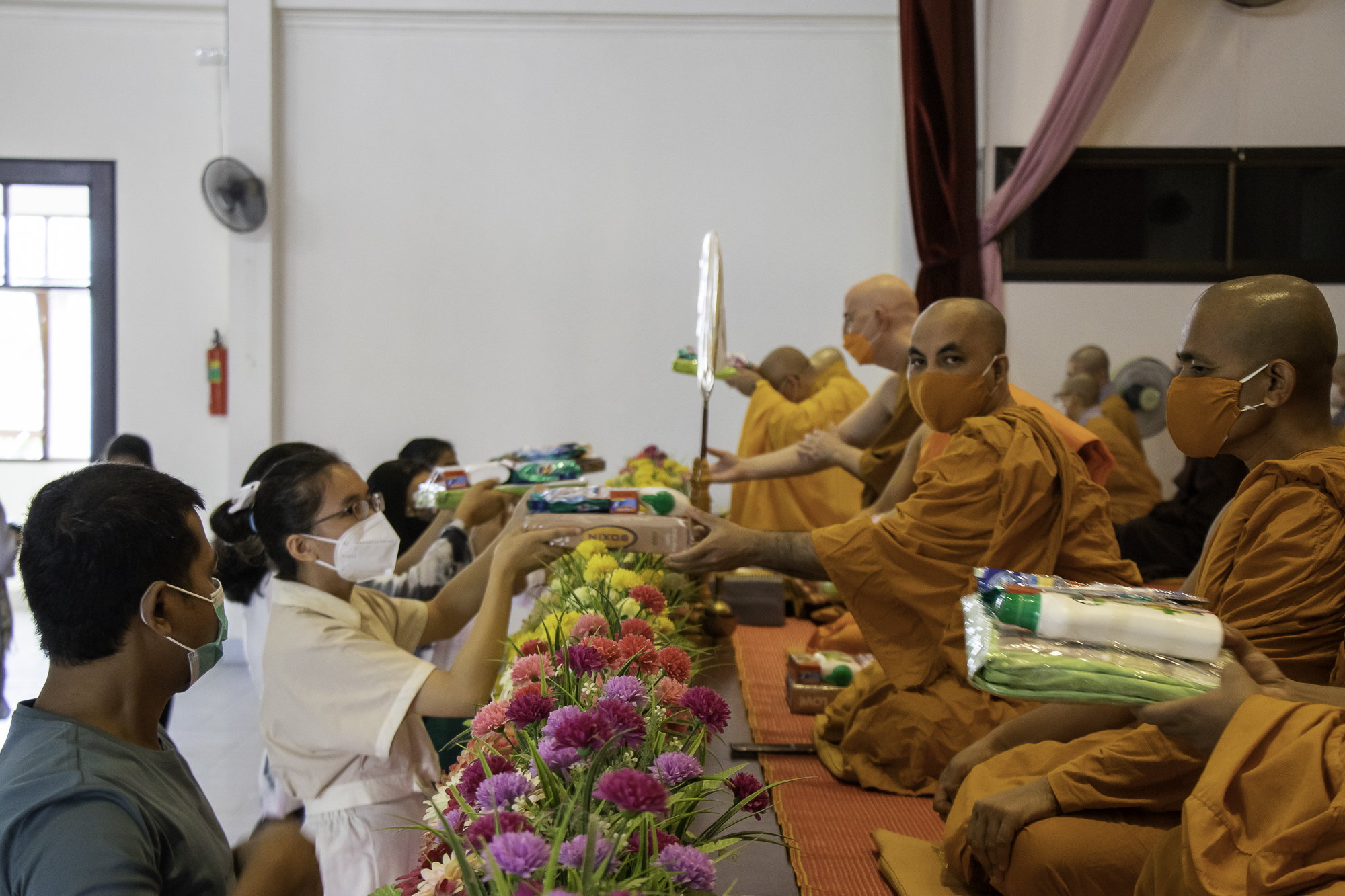
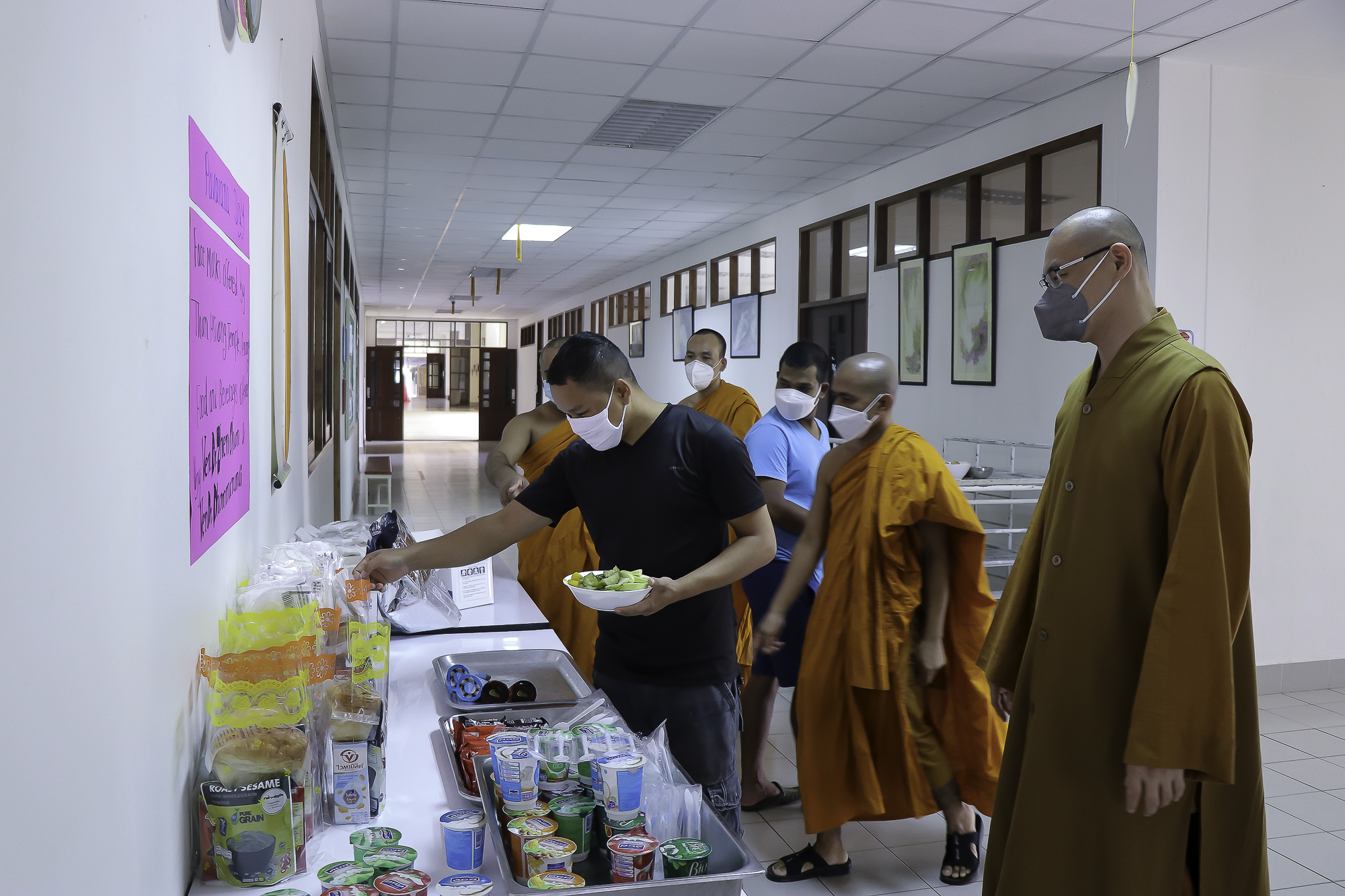
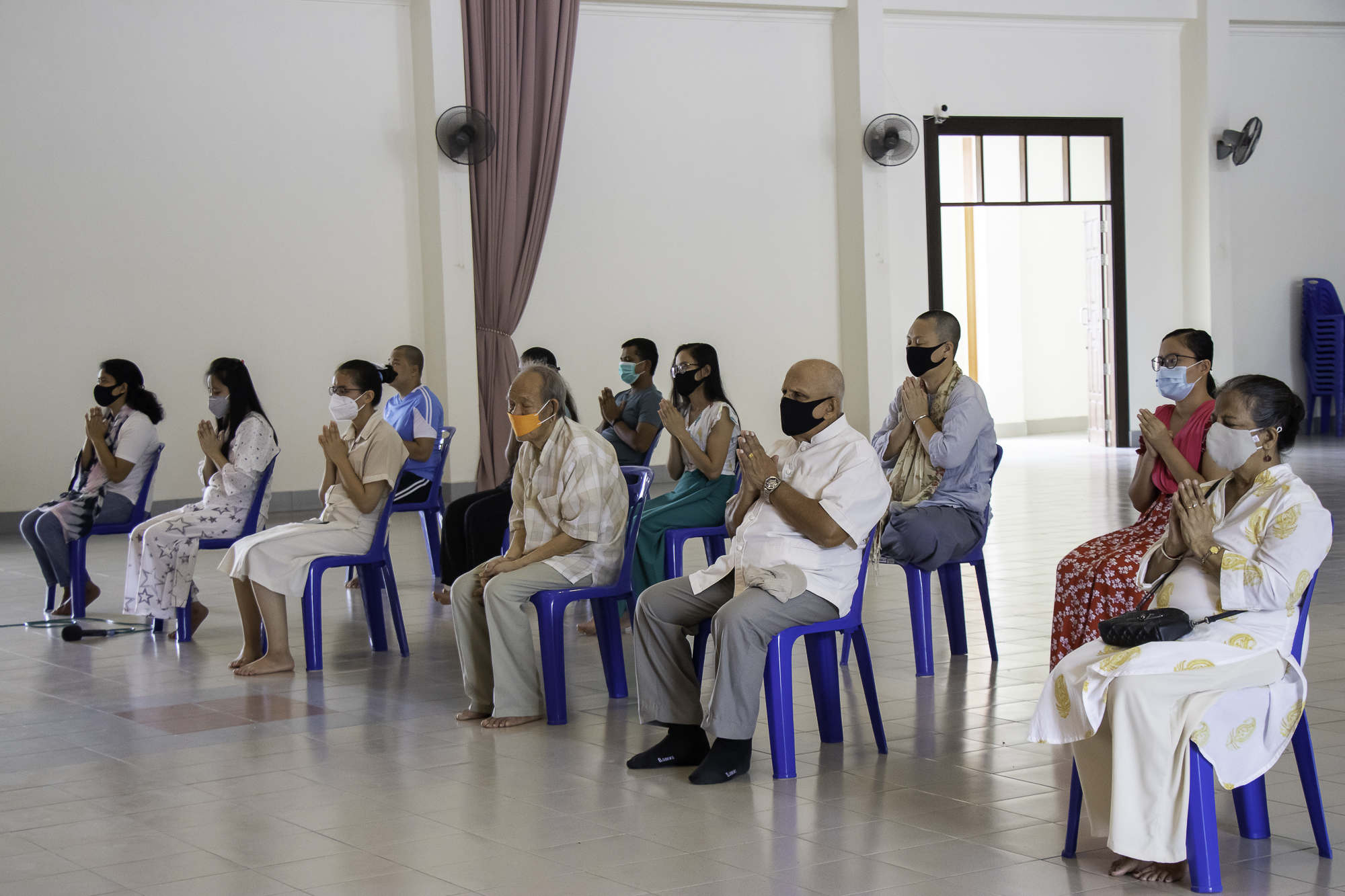
Pavāraṇa Day Celebration at IBC on 21-10-2021


Reported by Ven. Zhen Yuan
Pavāraṇa (Sanskrit: Pravāraṇa) is a Buddhist holy day celebrated on Assayuja full moon day. It marks the end of the three lunar months of Vassa, sometimes called "Buddhist Lent." After the three months retreat, on this Pavāraṇa day, each monk and nun must come before the Saṅgha and invite the other Saṅgha members to criticise his or her actions during the Vassa. Today, different Buddhist traditions observe the retreat according to the environment and what is suitable for the communities who undertake the retreat, ensuring that it does not disturb their living conditions. For example: in Asian countries, most Theravāda traditions will observe the vassa in July. The Chinese traditions will observe the retreat right after Vesak Day. For the Northern side of China, the Chinese traditions will observe the retreat during winter.
The reason to hold the Pavāraṇa Day is like the Buddha meeting with his disciple after three months of intensive practice during the training period. The Buddha started by giving a question to his disciples in his opening speech, likewise: “During the three months retreat, did all of you practice together and live in harmony? Did you get proper shelter? Did you have enough food, water, medicine, etc.? Did you meet with any problems in the retreat? Did you make, hear or suspect any wrongdoing?”
The aims are to help the Saṅgha community better plan before entering the retreat. The Saṅgha members can decide on certain conditions in preparation in advance of the training period. It is also to teach the Saṅgha how to solve problems when they arise. The ideal is to have a smooth, convenient and comfortable living during the three-month retreat period, and without any distraction.
According to the Sutta: At one time, the enlightened one, the Lord was staying at Sāvatthī in the Jeta Grove in Anāthapiṇḍaka’s monastery. At that time, several monks, friends and associates entered on the rains in a specific residence in the Kosala country. Then it occurred to these monks: “Now by what means can we, all together, on friendly terms and harmonious, spend a comfortable rainy season and not go short of alms-food?” After this rains retreat, when the Buddha learned of the monks’ silence, he described such a measure as "foolish." In the end the Buddha instituted the Pavāraṇa Ceremony to deal with potential conflicts and breaches of the disciplinary rules (Pātimokkha) during the Vassa season. Indeed, the Pavāraṇa day is a day for practitioners to self-reflect on one’s behavior, speech and thought mindfully to improve the quality of the Saṅgha community.