An Excursion to Khao Nam Khang National Park and Wat Khao Rup Chang


Reported by Ms. Su Mon Kyaw, M.A. student
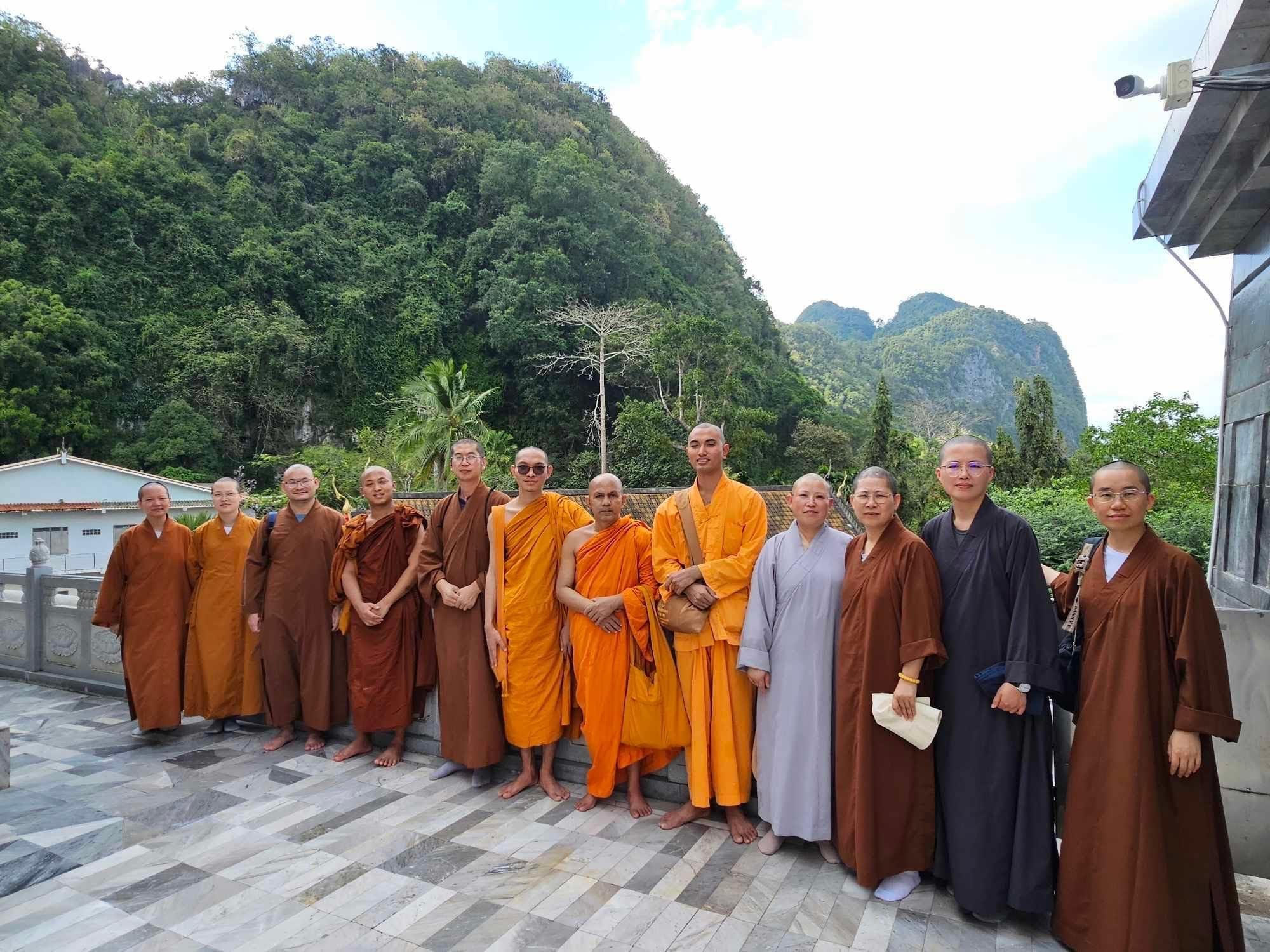
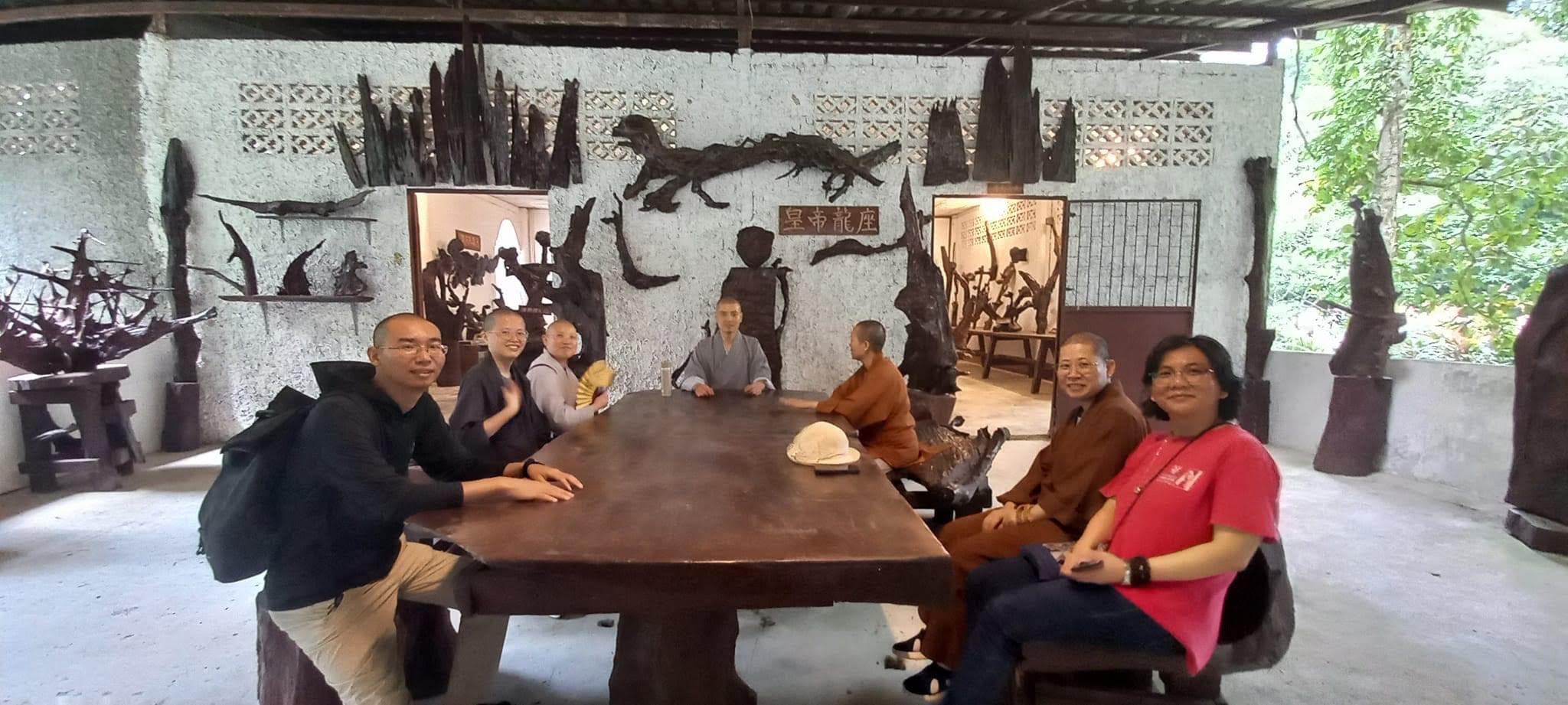
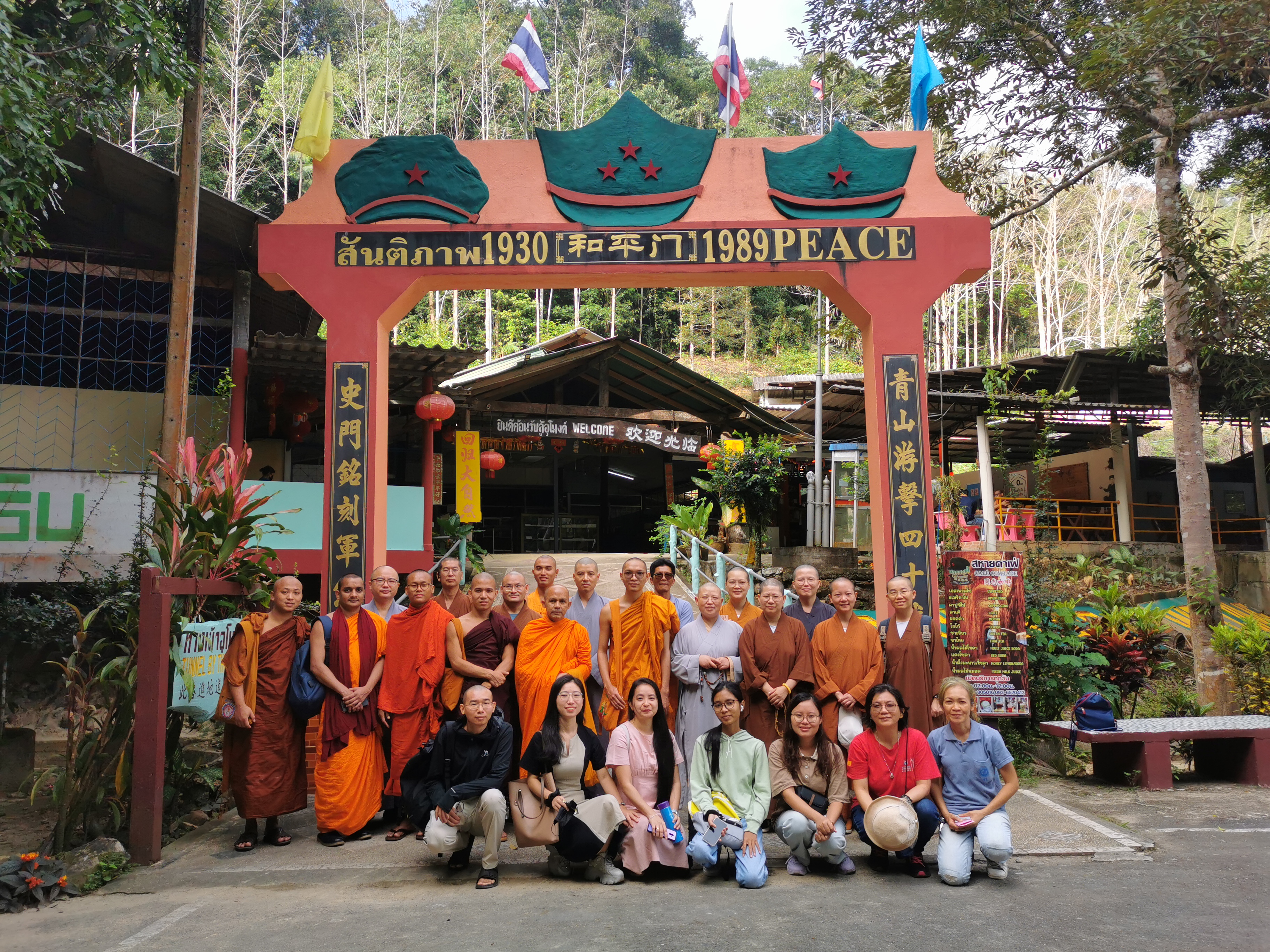
International Buddhist College (IBC) organized an excursion for students on 6th January 2024 (Friday). Our journey took us to two wonderful places in Thailand namely, Khao Nam Khang National Park and Wat Khao Rup Chang. These two places not only displayed the breathtaking beauty of nature but also provided insights into Thailand's history and spiritual beliefs.
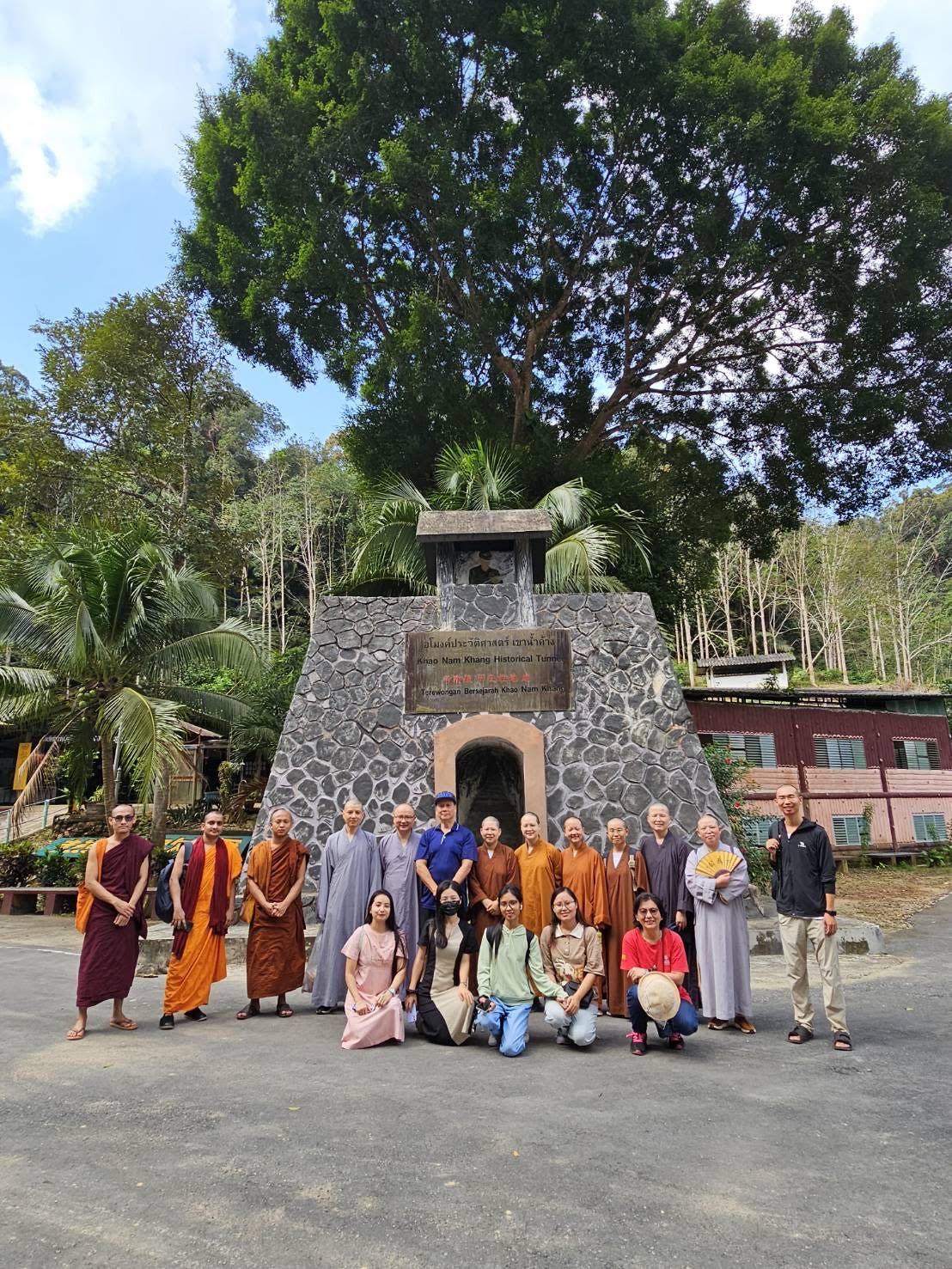
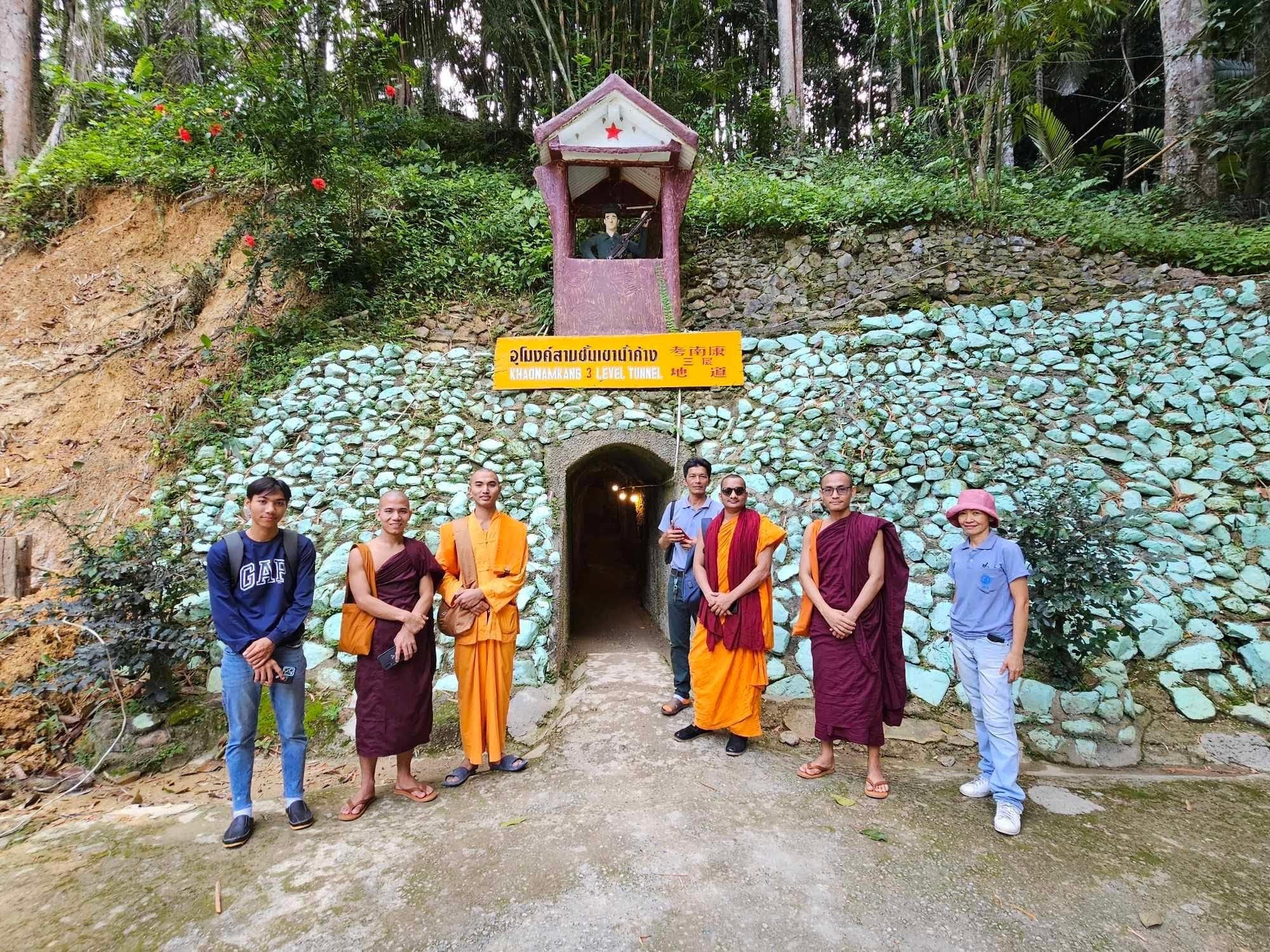
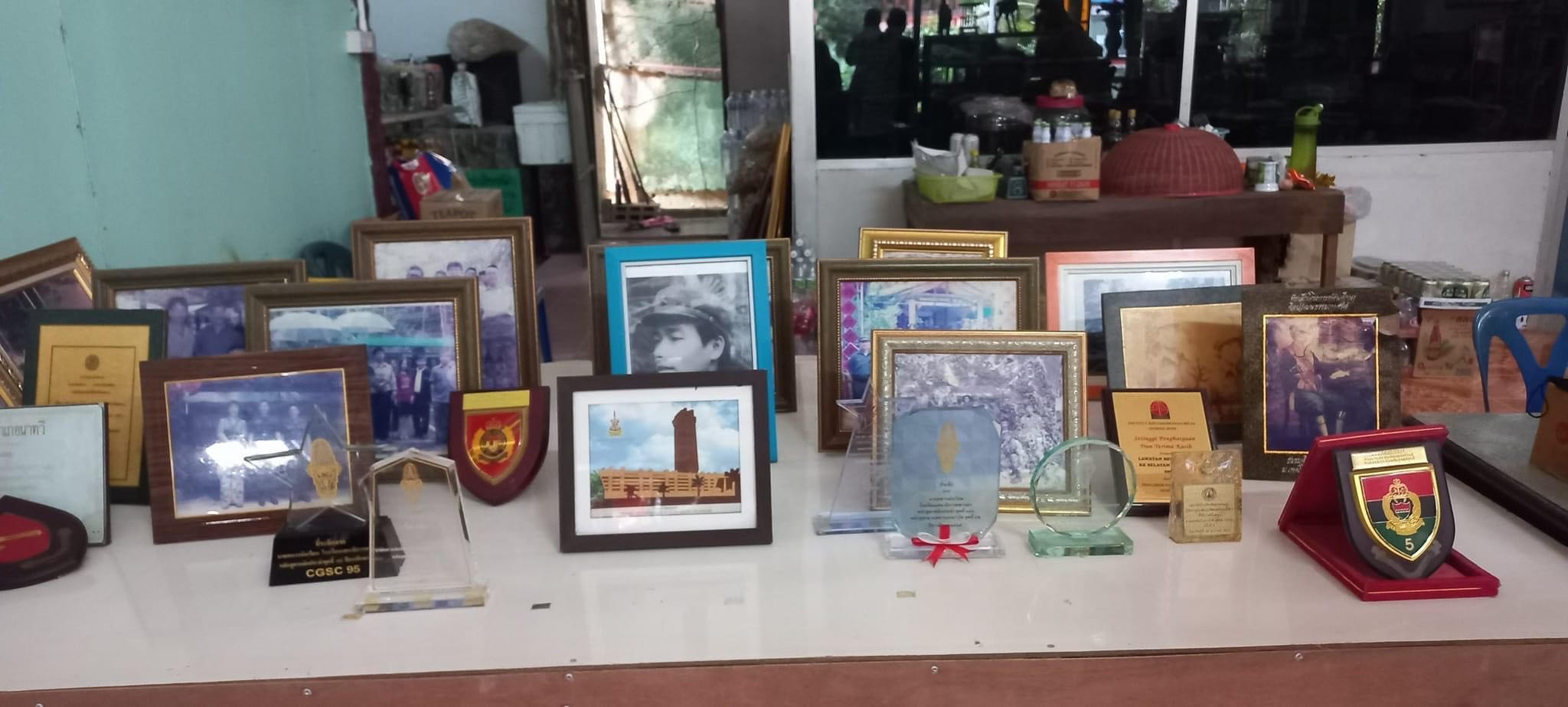
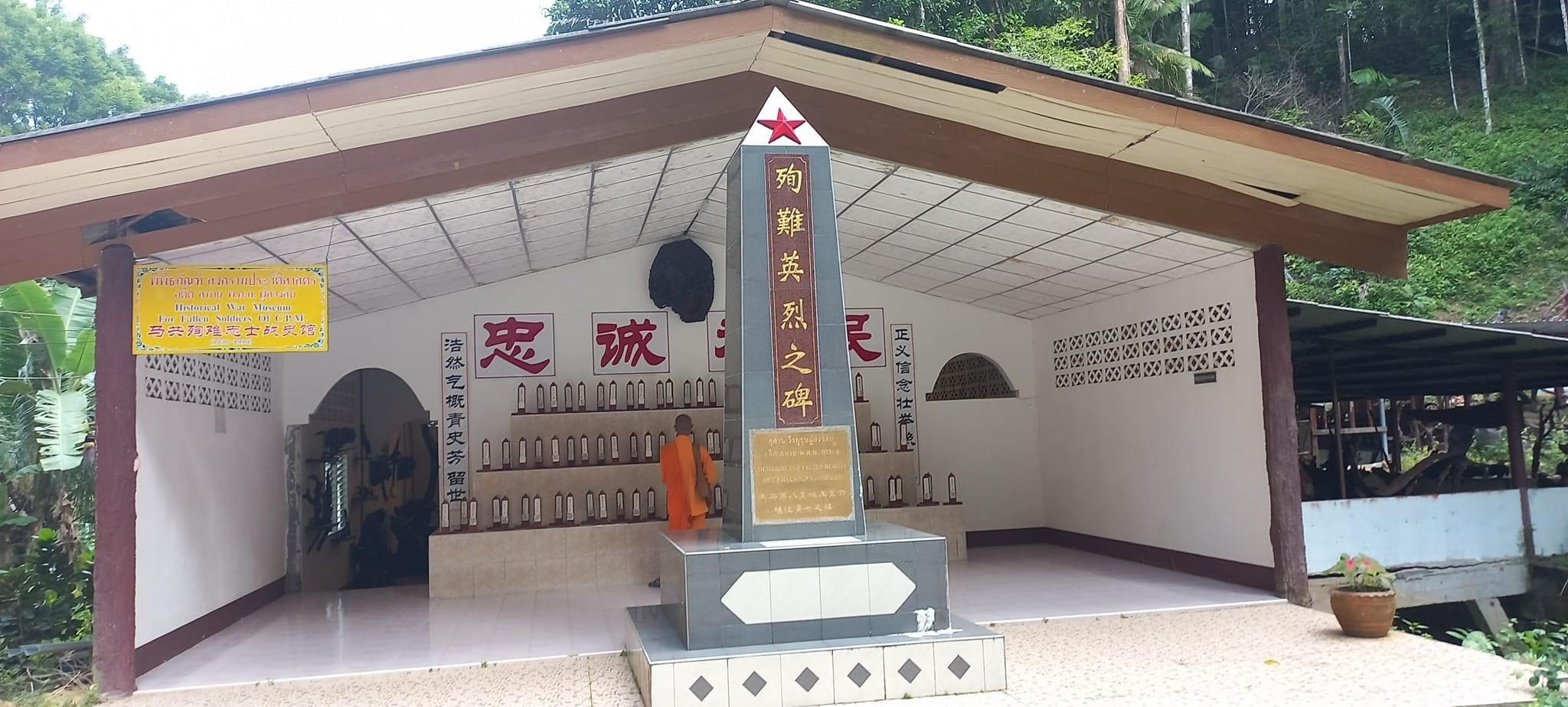
We arrived at Khao Nam Khang National Park around 8:30 am and it was huge, with forests and waterfalls spreading across Na Thawi and Sadao Districts. Its historical significance, especially regarding World War 2, was evident. The park remained restricted for over 40 years due to its strategic importance during the occupation of Chinese Communist Bandit Terrorists (JCC). Aside from its natural attraction, the park's unique features, like scaly dew and spider webs persisting even at noon, are exclusive to Khao Nam Khang. A visit to the park's small museum displayed war equipment. However, the most interesting spot was the cave because being inside the cave allowed us to connect with nature's processes, feeling its coolness, hearing the dripping of water, and observing formations, thus fostering a deeper appreciation for the wonders of nature. In the cave, there were statues of soldiers and images of child soldiers and these stood as a reminder of historical events. Following our visit to the National Park, we had lunch at Lotus before proceeding to Wat Khao Rup Chang.
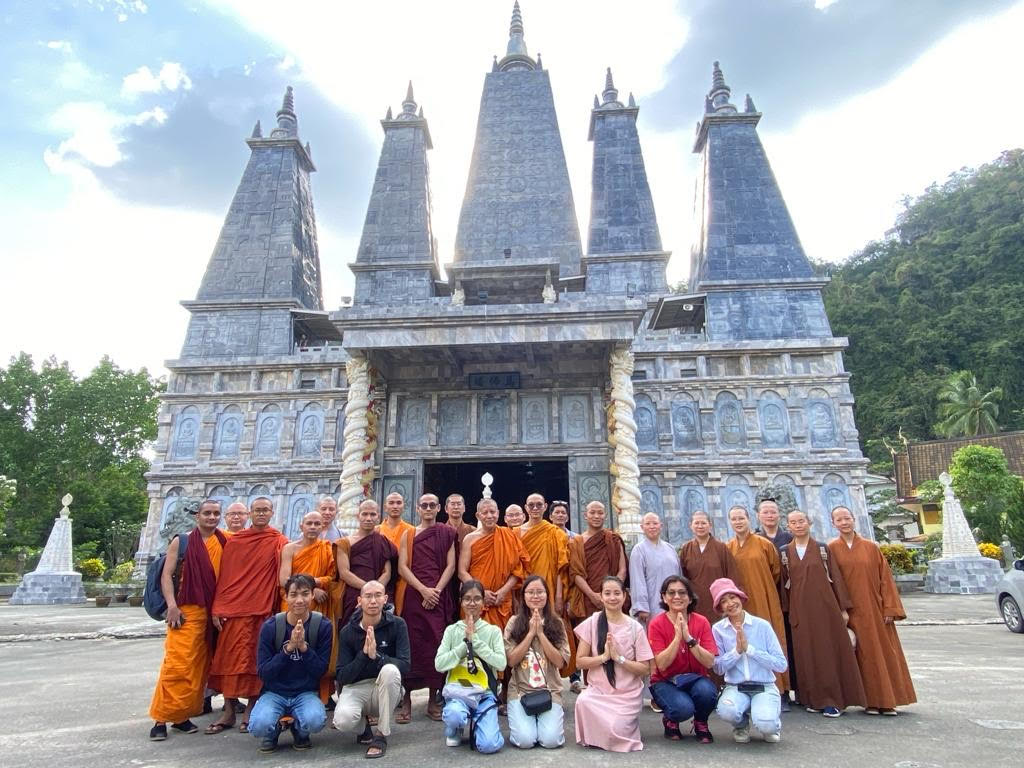
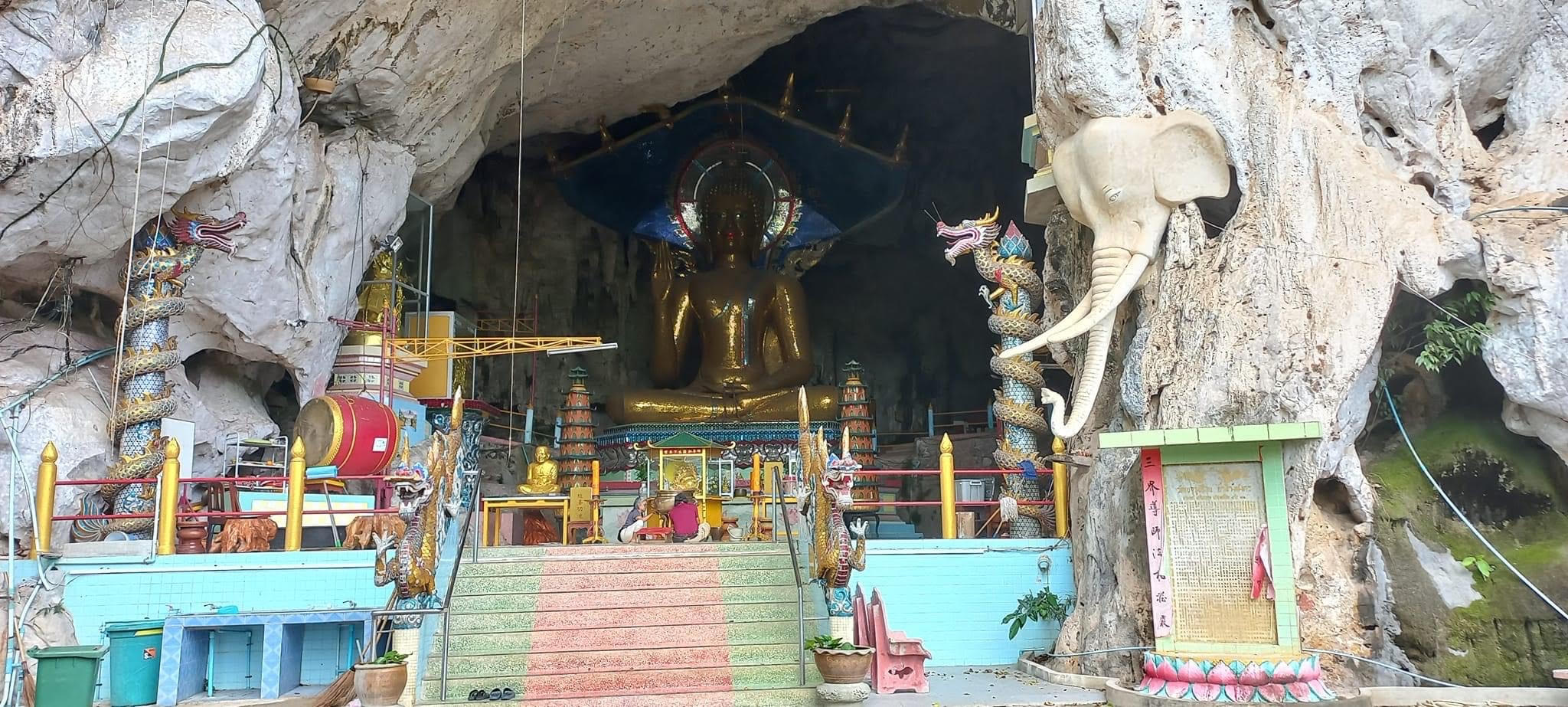
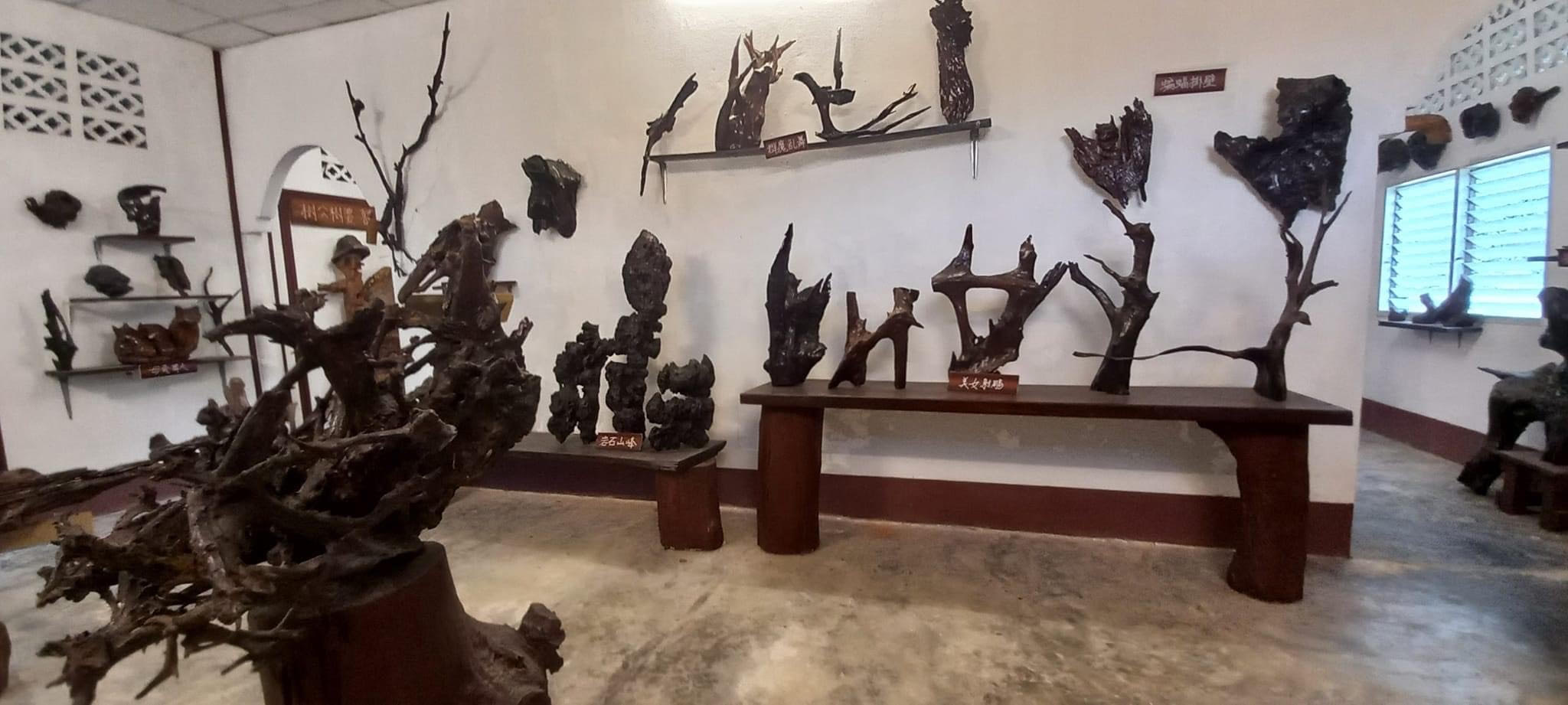
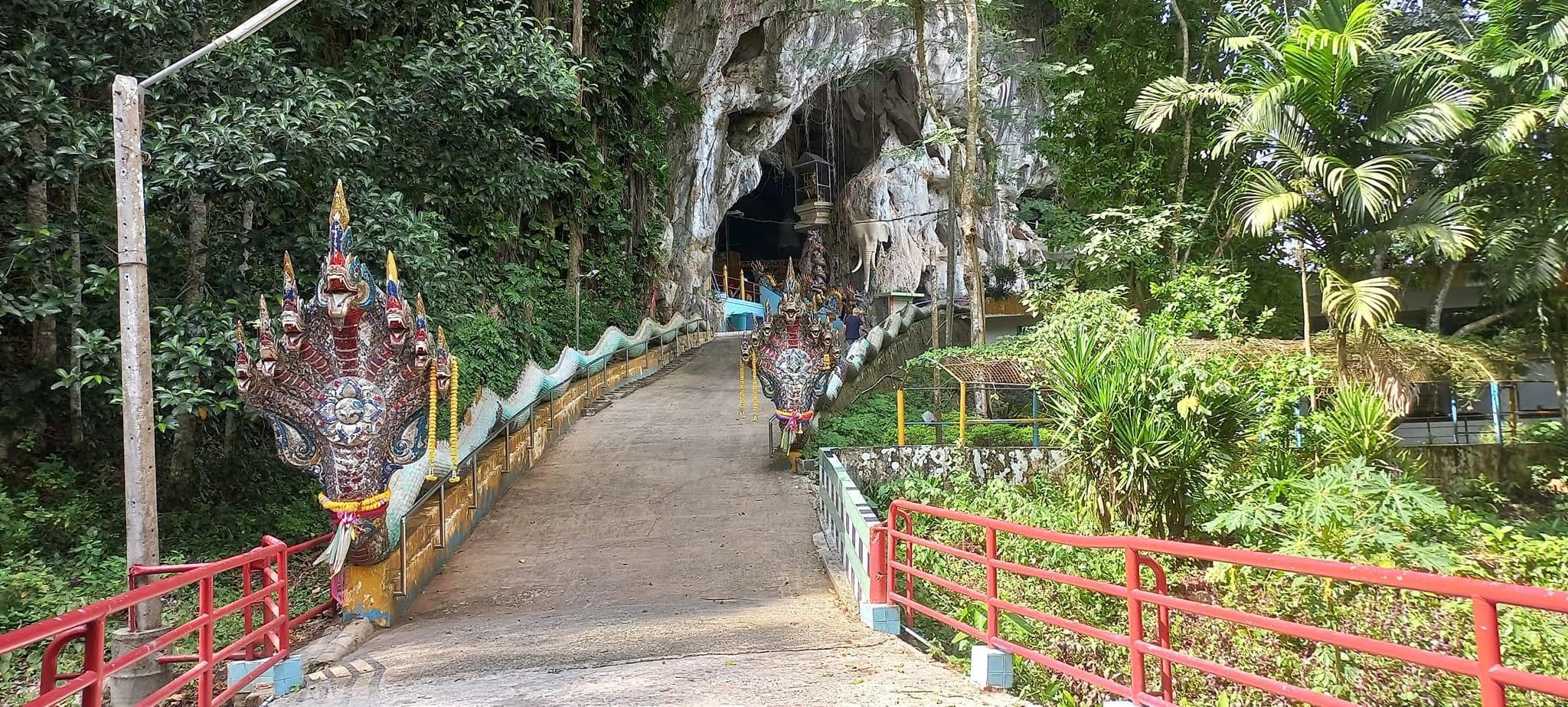
At Wat Khao Rup Chang in Padang Besar Sub-district, we explored a temple built around caves. The cave complexes behind the main temple were adorned with statues and a striking stupa, worshiped by locals and foreigners. The statues of the Buddha and Guan Yin Bodhisattva inside the caves made the place feel even more special and peaceful. The temple was started by a person who was a practitioner of meditation and who had visited India several times, particularly Bodhgaya. During his visits, he made three wishes, vowing to construct the temple and symbolically offering three fingers and two ears. When the temple was finished, his ear wounds healed miraculously, showing how dedicated he was!
Overall, the excursion to both locations was enjoyable for me and I hope all students felt the same. I extend my heartfelt gratitude to the IBC members who organized this excursion and express hope for future opportunities to explore more interesting places.