Ancient Today: An international symposium on learning what matters, and on what matters in learning


By Dharmavardhana-Jñānagarbha
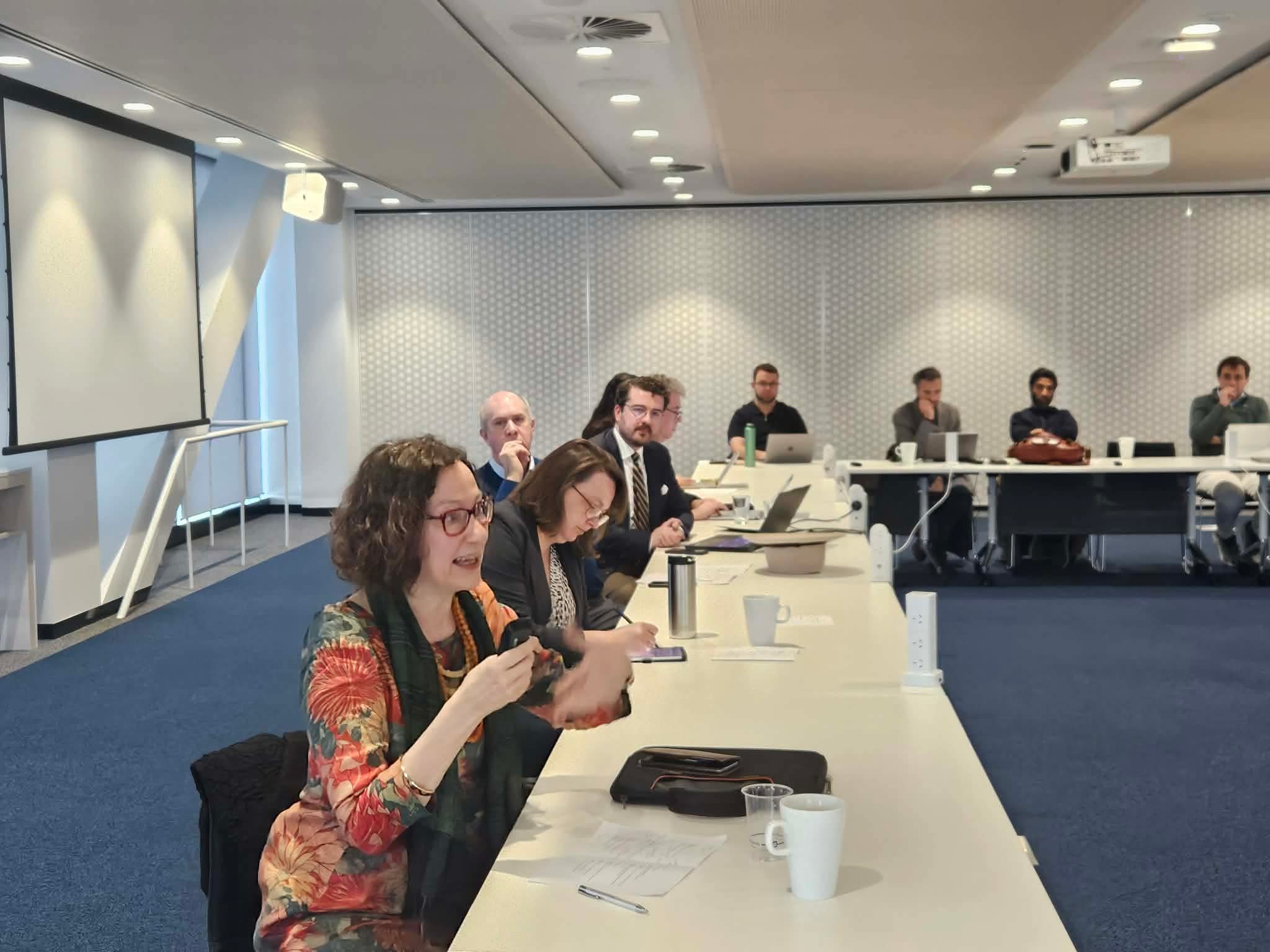
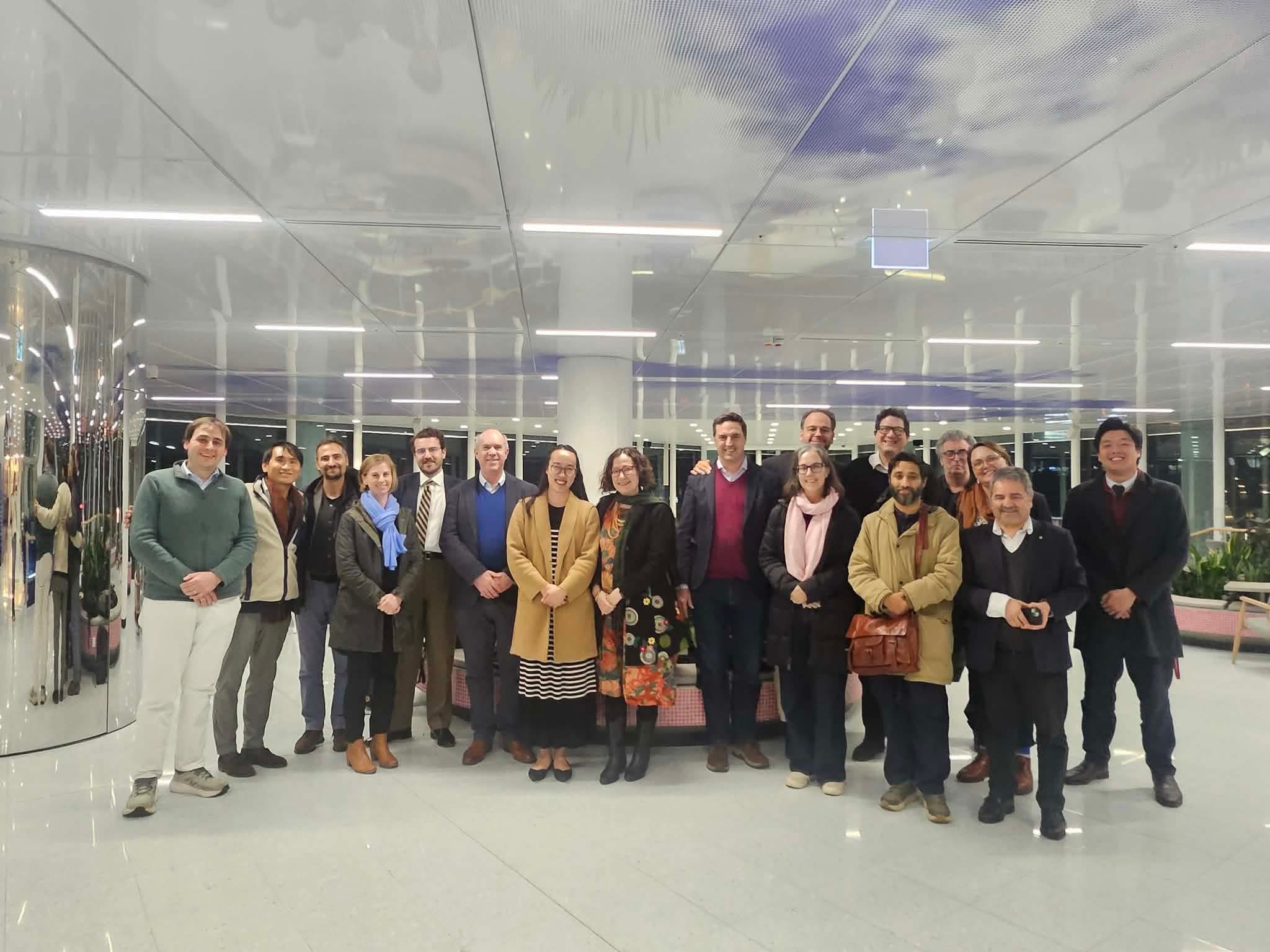
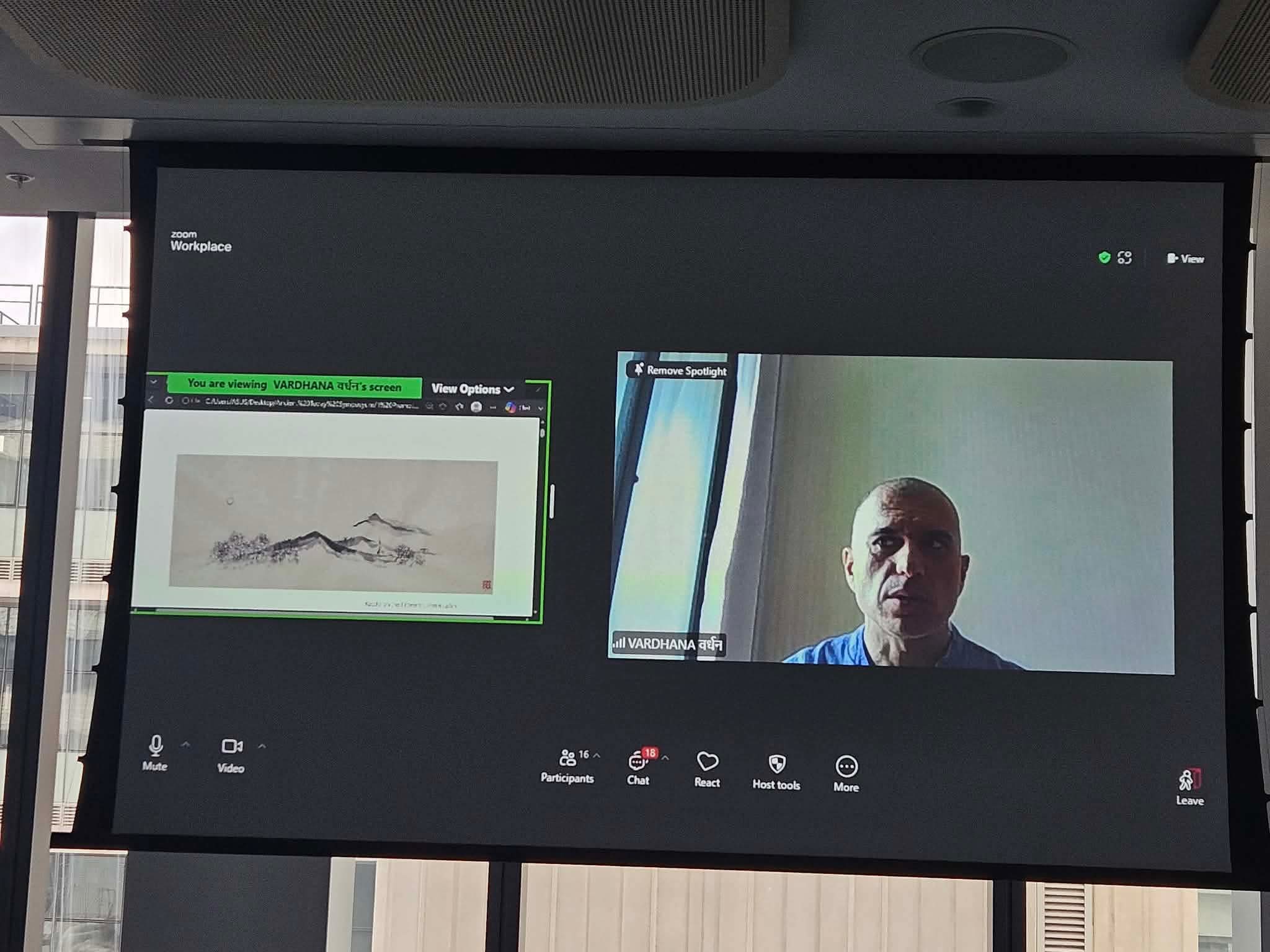
On the 14th of July 2026 I had the good fortune of participating in a symposium on ancient language education, part of the broader project “Ancient Today: Living Traditions of Classical Language Education,” funded by the Australian Research Council. While the event was primarily in person, I attended online. The other participants were vastly learned scholars in fields I know nothing about: thus, it was a good opportunity for me to slightly reduce my own ignorance.
Some of us regard the learning of ancient languages as the life-force of Buddhist Studies. This has been the case for centuries within the Buddhist traditions – where learning Sanskrit, Pāli, Classical Tibetan, Classical Chinese, and other ancient languages has been essential in order to obtain a holistic training in Buddhist view, meditation, and conduct. It is not always easy to translate this framework into the requirements and concerns of modern educational institutions, which were formed far away from anything Buddhist.
This difficulty also applies to other ancient and non-mainstream traditions; the benefit of learning Aboriginal languages, Akkadian, Persian, Greek, Latin, Arabic, Hebrew, etc., is invisible to a world that regards (primarily) English as the language of clarity and sophistication, and believes that once you have translated a text into English, there is hardly a need to look at the original source.
For some of us, nothing could be further from the truth. Learning an ancient language is not primarily for the sake of translation; reading ancient texts (and, possibly, chanting them, copying them in attentive calligraphy, discussing them in their own language, etc.) is not at the periphery of one’s training. It’s not a preparatory stage, but the highest possible goal of higher education. This activity is at once aesthetic, ethical, contemplative, and self-fulfilling. Its worth does not need to be quantified by endless statistical projections about material acquisition, as it is the space where the very meaning of material acquisition can be found, qualified, or altogether refuted. It’s a potent antidote to the commodification of knowledge, which reduces students to paying customers and advertisements for future paying customers - spinning clubs in the hands of unskilled, desperate jugglers. The present trend of rankings and perpetual quantification of educational results is particularly detrimental to any subject that fosters reflection and the cultivation of virtues; thus, the learning of ancient languages is not treasured by the anxious jugglers, and is often despised by the owners of the circus.
The symposium explored different limitations in the present-day mainstream framework of ancient language didactics, and offered a number of inspiring insights about the power of patient, devoted reading, chanting, writing, and speaking. This power goes beyond vocational training for a predetermined treadmill of familiar, lifelong frustrations; it allows for a more spacious relationship with knowledge and self-cultivation.
My own paper was about poetry as a metaphorical goal of education, relying on the great Buddhist thinker Bhāmaha, who defined poetry as “word and meaning placed together” (शब्दार्थौ सहितौ काव्यम् śabdārthau sahitau kāvyam). This togetherness is often the opposite of disambiguation and literal-mindedness, and thus leaves space for empathy that becomes perceptive, immediate, and open-ended.