Reflection on the Alumni Meeting


Reported by: Chhen Sela (IBC Graduate)
A Meaningful Meeting
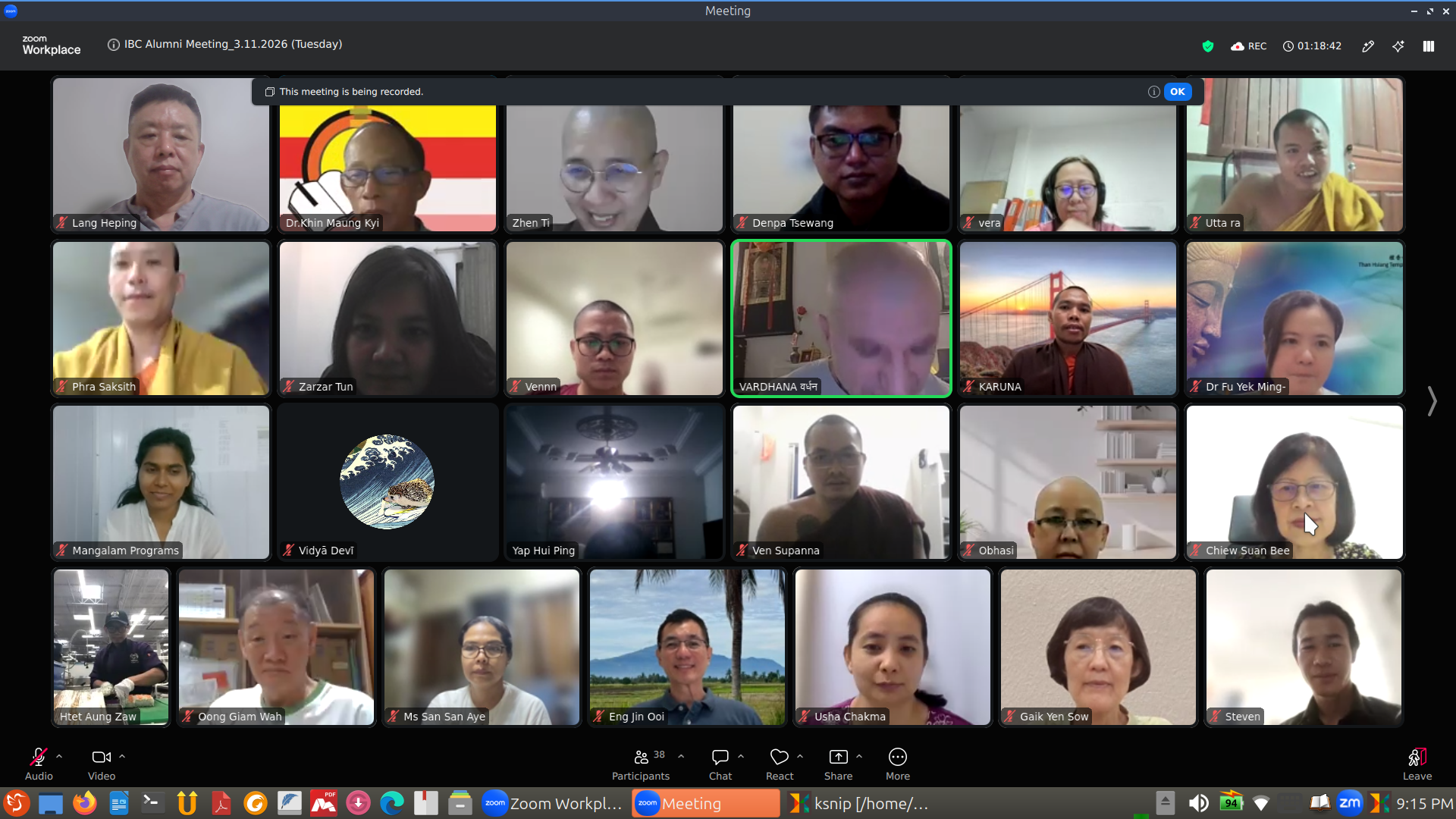
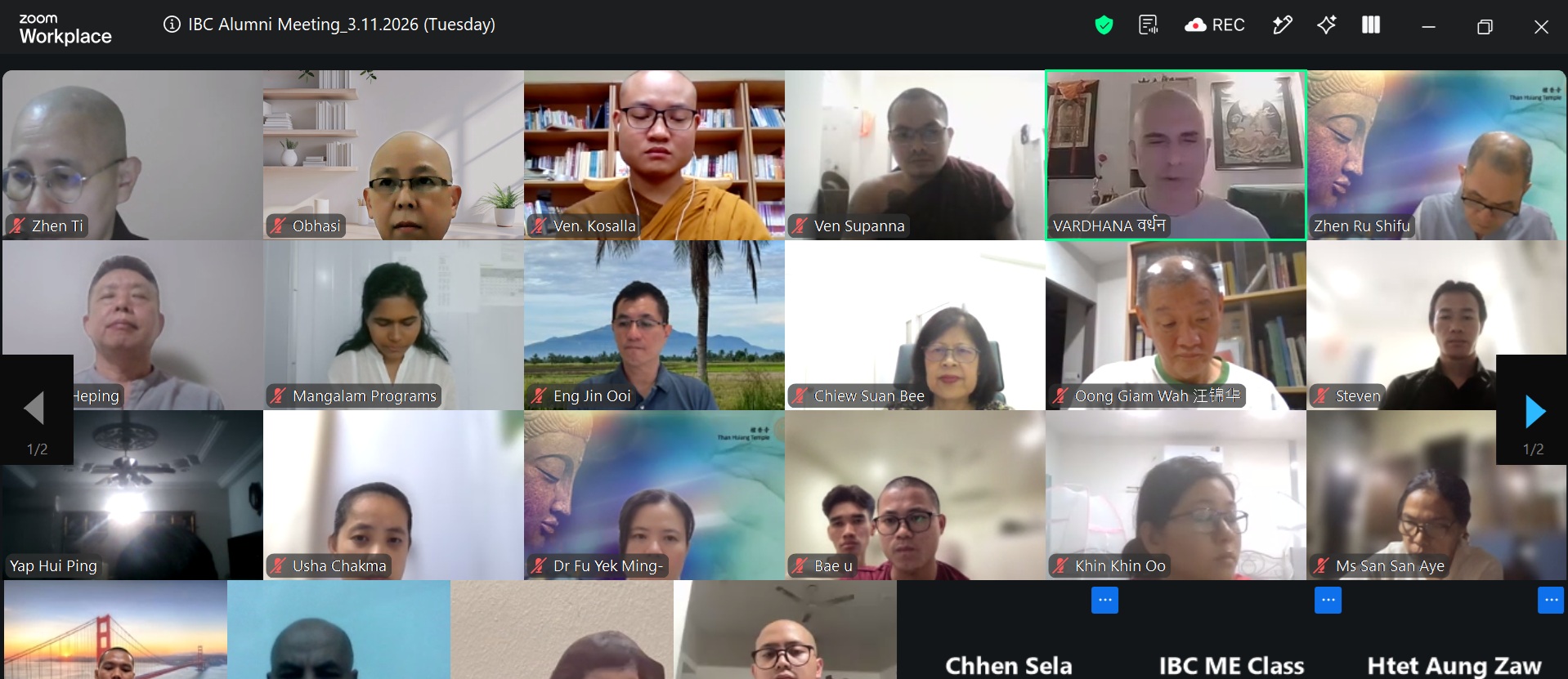
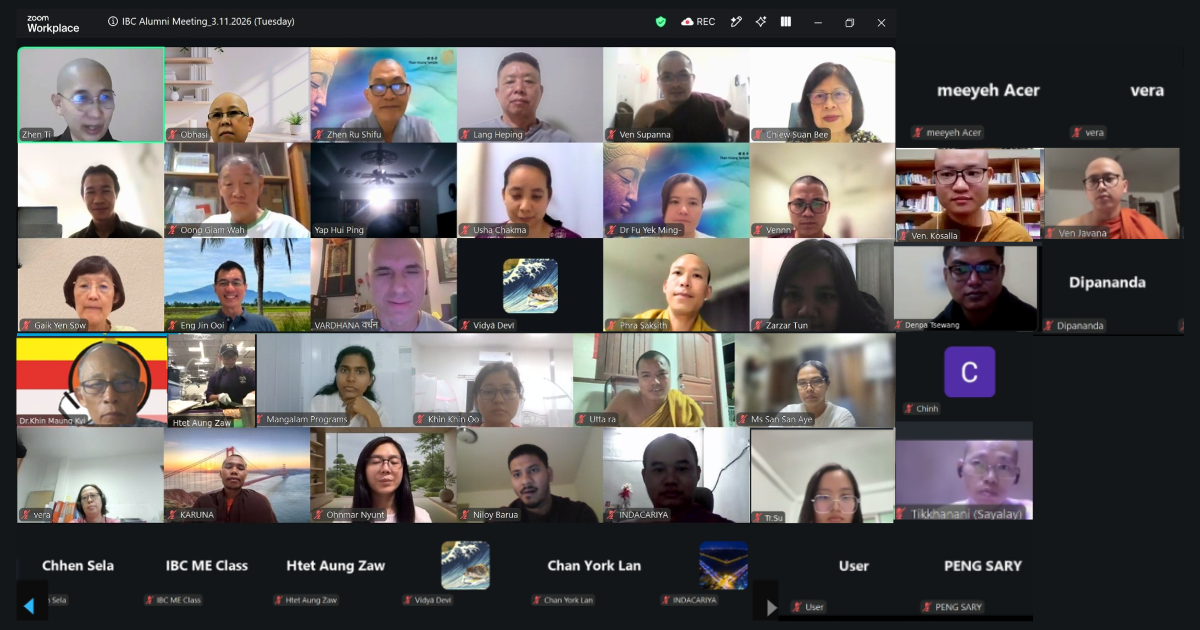
On 3 November 2026, International Buddhist College organized a Zoom meeting with its alumni. I am delighted to have had the opportunity to participate in this meeting and reflect on the development of the program. Listening to the discussion renewed my excitement about the learning community and the possibilities ahead. It was encouraging to hear thoughtful perspectives on the curriculum, the experiences of students, and the importance of keeping Buddhist studies meaningful and relevant. Above all, the meeting reminded me that a strong program is built not only on courses and academic requirements, but also on people who are willing to listen, learn, and grow together.
I am sincerely grateful to the organizers, professors, and everyone who contributed to the conversation. Their willingness to share ideas, answer questions, and reflect honestly on both progress and challenges made the meeting valuable. I appreciated the opportunity to hear different voices and to consider how our shared experiences can help shape the future of the program.
Learning from the Discussion
One point that stood out to me was the discussion of curriculum development. The explanation of changes to courses and elective options showed that a program must continue to evolve as students’ needs and fields of study change. I appreciated the idea that course design should allow teachers to choose materials and approaches that respond to students, rather than relying too narrowly on a particular secondary text. This made me think about education as a living process: a curriculum provides direction, but good teaching also requires flexibility, reflection, and a clear understanding of learners.
The discussion of the student community was equally inspiring. Hearing about students from different backgrounds, including the growing presence of students from India, reminded me how much we can learn when we encounter experiences beyond our own. A diverse learning community can challenge assumptions, deepen understanding, and encourage respectful conversation. I value the chance to learn alongside people whose perspectives may differ from mine, because these encounters can make academic study more thoughtful and humane.
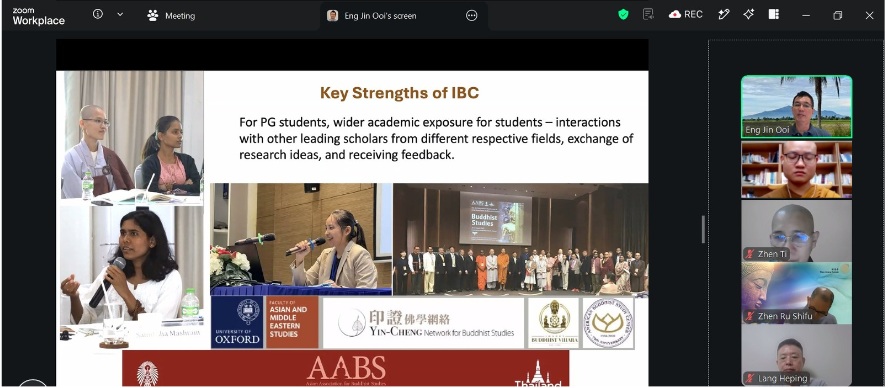
I was also encouraged by the attention given to students’ development beyond subject knowledge. Academic learning is important, but communication, confidence, and the ability to engage with others are important as well. The conversation about opportunities to participate in academic events and share ideas made me reflect on the importance of creating supportive spaces for students to practice. Such experiences can help learners grow gradually, especially when they receive guidance and constructive feedback.
Gratitude and Looking Ahead
Reflecting on the recording, I am grateful for the learning and experience that this meeting offered. The discussion did not present development as something simple or already complete. Instead, it showed that improvement requires honest questions, cooperation, and a willingness to consider different points of view. That honesty made the conversation especially useful and encouraged me to approach my own learning with greater humility and curiosity.
The interactive nature of the meeting also left a positive impression on me. Participants were invited to ask questions and share comments, making the exchange more than a one-way presentation. I appreciated that thoughtful questions could open up further discussion rather than simply bring a topic to an end. This reminded me that learning is strengthened when people feel comfortable speaking, listening, and considering different answers. I hope future conversations will continue to encourage this spirit of openness and mutual respect.
I feel excited about the program and hopeful about its continuing development. I look forward to future meetings, further opportunities to learn from professors and fellow participants, and new experiences that will help me grow both academically and personally. I hope to contribute by listening carefully, asking thoughtful questions, and sharing what I learn with others. Thank you again to International Buddhist College and everyone who made this meeting possible and to all those who continue to support the program. I truly value the knowledge, encouragement, and sense of community that come from being part of this learning journey.
Update on the IBC Recent Developments
By IBC Rector Assoc. Prof. Dr. Dharmavardhana Jñānagarbha
Our curriculum has been updated by the addition of a significant number of elective courses, prepared in consultation with Professor Dorji Wangchuk (Hamburg University). The new electives allow for a clearer focus on textual studies, and at the same time for greater flexibility in choosing what to teach for a specific group of students. Thus, instead of including the title of a specific text in the course description, the courses are called “Readings in Abhidharma”, “Readings in Yogācāra”, etc., allowing the lecturer to select on a case-by-case basis. This is important both for lecturers (who can thus avoid always teaching the same text, and grow as scholars) and for the students, as different groups of students may have slightly different needs. This improvement in our curriculum relates to the establishment of the Palyul-Khyentse Chair in Buddhist Textual Studies, first held by Dr. Maria Vasylieva, and now by Asst. Prof. Dr. Eng Jin Ooi. The chair helps us implement more of the elective courses, and its very name is a safeguard against the (overwhelmingly common) dilution of Buddhist content in modern curricula. It is our wish to retain a clear Buddhist identity, and the most straightforward way to do so is to ensure that we continue to study and teach Buddhist texts in their original languages – a skill that is quickly fading away almost everywhere around the globe.
Recently, we have had a good number of students from India, especially from the Buddhist community connected to Nāgaloka and thus Mahārāṣṭra more generally. I believe this to be a very positive development. This community is by far the largest Buddhist group in India; yet, it is not represented enough, and it is not uncommon for people even to be unaware of its existence. The Buddhist community in India is far more diverse and alive than many might presume, and if we can contribute to the continuation of Buddhist learning within India, I believe we should greatly rejoice.
Compared to just a few years ago, we have made a substantial effort to ensure that our graduate students (especially, our PhD candidates) have more exposure to the broader world of Buddhist Studies. Doctoral candidates are not just students; they are junior colleagues, and should be treated as such. It is our duty to help them find opportunities to attend conferences, spend time elsewhere, and, especially, teach – this is an integral part of a doctoral student’s training. Our efforts have already borne clear results, as some of our doctoral candidates are already known as teachers in their own right and have participated in international events (Uṣā, Samīkṣā Kamble, Samīkṣā Meshram). This is to say that prospective doctoral students may find that they will be encouraged to gain exposure, social skills, and teaching experience, so as to make them better equipped as long-term researchers (the very purpose of obtaining a PhD), and, of course, more employable (a practical consideration that we cannot disregard).